Solar-powered automated gates: how solar gate automation works
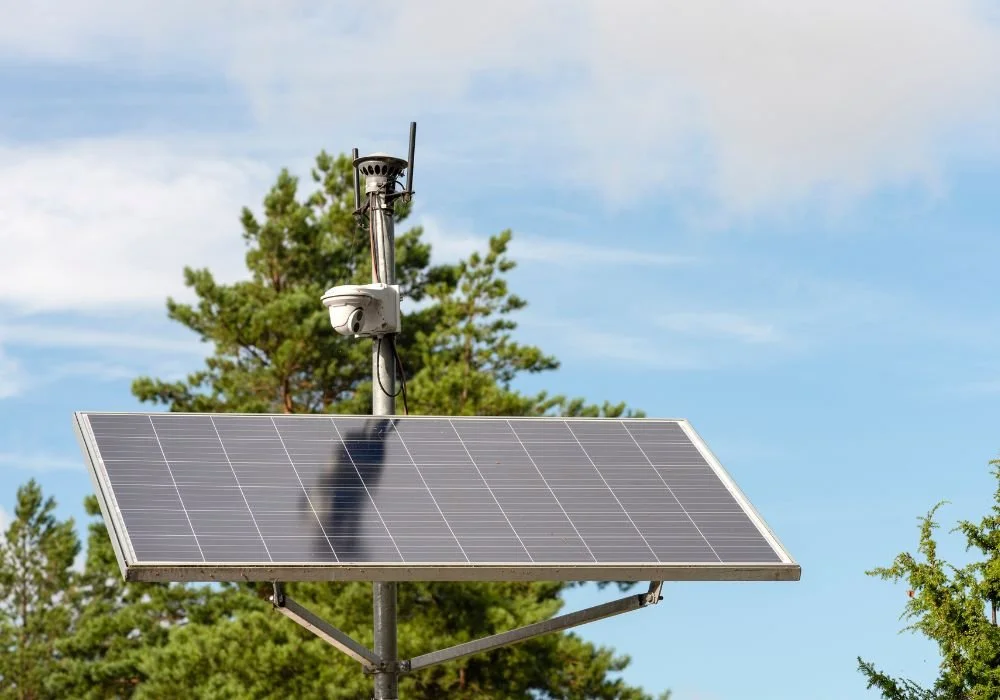
No power at your gate? You may still be able to automate it
One of the most common questions we hear from rural and acreage property owners is simple: what happens if there’s no 240V power at the gate?
The good news is that you don’t necessarily need mains power at the gate to automate it. A solar and battery system can provide a practical way to power gate automation, particularly where the gate is a long way from the house.
How does solar gate automation work?
A solar-powered gate system uses a solar panel to generate electricity, which is stored in a battery and used to operate the gate motor and associated equipment.
That means the gate can operate independently from the property's mains power supply, provided the system is correctly designed for the gate and its expected use.
The panel, battery, motor and controls all need to be matched to the property. Factors such as how often the gate is used and how much power the system requires are important when choosing the right setup.
Where is solar gate automation useful?
Solar can be particularly useful for properties where running mains power to the gate would be difficult or expensive.
Common examples include:
Rural properties and farms
Long driveways
Gates located well away from the house
Properties where trenching and running power isn't practical
New gates where an independent power source makes sense
What happens when there isn't much sun?
The battery is an important part of the system because it stores energy for use when the sun isn't shining. The system needs to be sized appropriately for the property's usage and local conditions.
A solar gate isn't simply a matter of attaching a panel to any gate motor. The power requirements, battery capacity, panel size and frequency of use all need to be considered together.
Solar vs running 240V power
For some properties, installing mains power at the gate may be the most straightforward option. For others, particularly long rural driveways, solar can avoid the cost and disruption of running a new power supply.
There is no universal answer. The right option depends on the distance from the power source, site conditions, expected gate usage and the overall project budget.
Where mains power is the better fit, we can also work with a local licensed electrician to arrange the required electrical work.
Can any gate be solar powered?
Solar automation can be used for many residential, rural and acreage gate systems, but the complete system needs to be designed around the gate.
Gate size, weight, opening frequency, motor requirements and access controls all affect the power demand. A site assessment helps determine whether solar is suitable and what type of system is required.
A practical option for rural properties
For a rural property, the convenience of automation can make a surprisingly big difference. You can control access without getting out of the vehicle, manage visitors and deliveries more easily, and use automation to help control movement through the property.
When there is no convenient mains power at the entrance, solar and battery automation can make all of that possible without bringing a new power supply all the way down the driveway.
Thinking about a solar-powered gate?
If you have a long driveway or no 240V power at your gate, don't assume automation is off the table.
Bendigo Door Centre can assess your property and help you work out whether a mains-powered or solar-powered system is the better fit.
Get in touch to discuss your gate and we'll help you find a practical solution.