Automated gate safety: what homeowners need to know
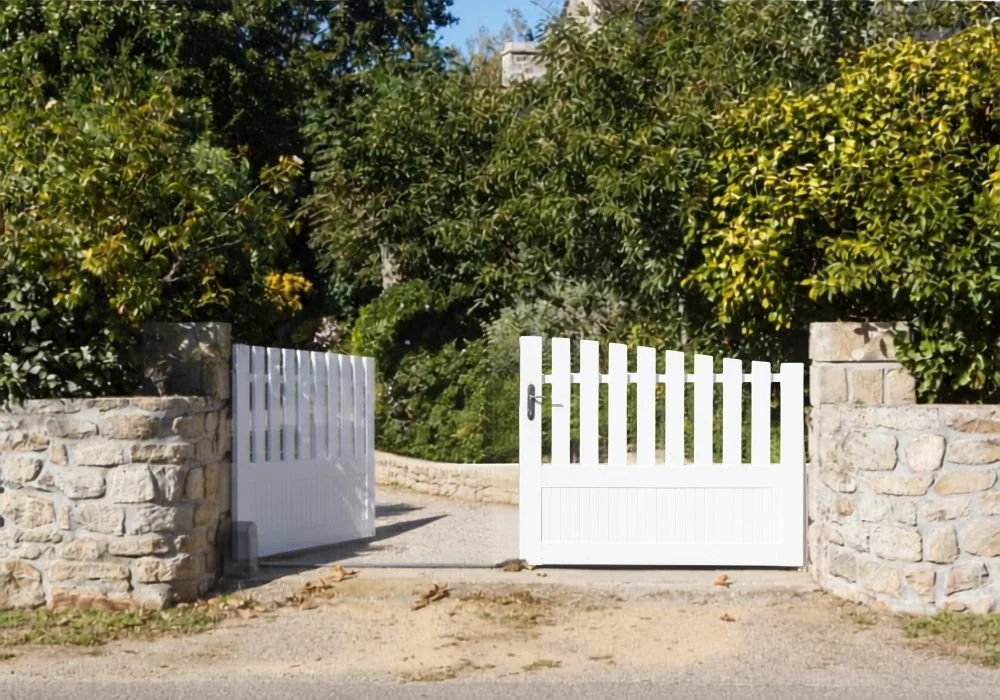
An automated gate is more than a motor
An automated gate can make a property more secure and convenient, but it is also a moving mechanical system. That means safety needs to be considered as part of the design and installation — not added as an afterthought.
A well-designed system considers the gate itself, the automation, surrounding structures, people, pets, vehicles and the way the property is used.
What can make an automated gate unsafe?
Problems can arise when a gate is poorly installed, incorrectly adjusted, damaged or operated in an environment that wasn't considered when the system was designed.
The risks can change over time too. A new fence, landscaping, driveway change, altered traffic flow or modification to the gate can introduce hazards that weren't present when the system was first installed.
That is why regular checks and servicing matter, even when the gate appears to be working normally.
Safety sensors and photoelectric beams
Safety beams and photoelectric sensors can detect when something is in the gate's path and help prevent the gate from continuing to move.
They are particularly important around driveways and entrances where vehicles, children or pets may move through the gate while it is operating.
The exact safety devices required will depend on the gate, automation system and site.
Obstacle detection and force limitation
Modern automation systems can also use obstacle detection and force limitation to help reduce the risk of injury or damage if the gate encounters an obstruction.
Auto-reverse functionality can also help the gate respond appropriately when an obstruction is detected.
These features work together with the physical design and positioning of the gate. Safety isn't just about choosing a motor with the right features — the whole system needs to be considered.
Don't forget pedestrian access
A separate pedestrian gate is often a simple but important safety consideration. It gives people a dedicated way to enter and leave the property without using the vehicle gate.
It can also be useful when the vehicle gate is temporarily unavailable because of a fault, power issue or maintenance.
Australian safety requirements
Australian and New Zealand Standard AS/NZS 60335.2.103 covers safety requirements for electric drives for gates, doors and windows. The 2024 edition is the latest edition and addresses electric drives for horizontally and vertically moving gates, doors, garage doors and windows.
The previous 2016 edition remains current during a transition period until 29 November 2027, and regulatory authorities may apply requirements at different times.
The important point for homeowners is that automated gate safety involves more than simply choosing a motor. The gate, drive system, safety devices and installation all need to be considered together.
Regular servicing is part of gate safety
A gate can gradually develop problems without completely stopping. Hinges can wear, tracks can become misaligned, sensors can be affected and motors can work harder than they should.
Regular servicing helps identify these issues before they become bigger problems and helps keep the system operating smoothly and safely.
If your gate is sticking, moving slowly, making unusual noises or behaving differently from normal, it is worth having it checked rather than waiting for a complete failure.
What should homeowners do?
Keep the area around the gate clear, pay attention to changes in how the gate operates and make sure everyone who uses it understands how the system works.
It's also worth knowing how to place the system into manual operation and where the manual release is located in case of an outage or fault.
If the gate has been modified or its surroundings have changed, have the system assessed again rather than assuming the original setup is still appropriate.
Want to make your automated gate safer?
Whether you're installing a new automated gate or concerned about an existing system, Bendigo Door Centre can help assess the gate, automation and access requirements.
Talk to our team about a new installation, safety assessment, service or repair.